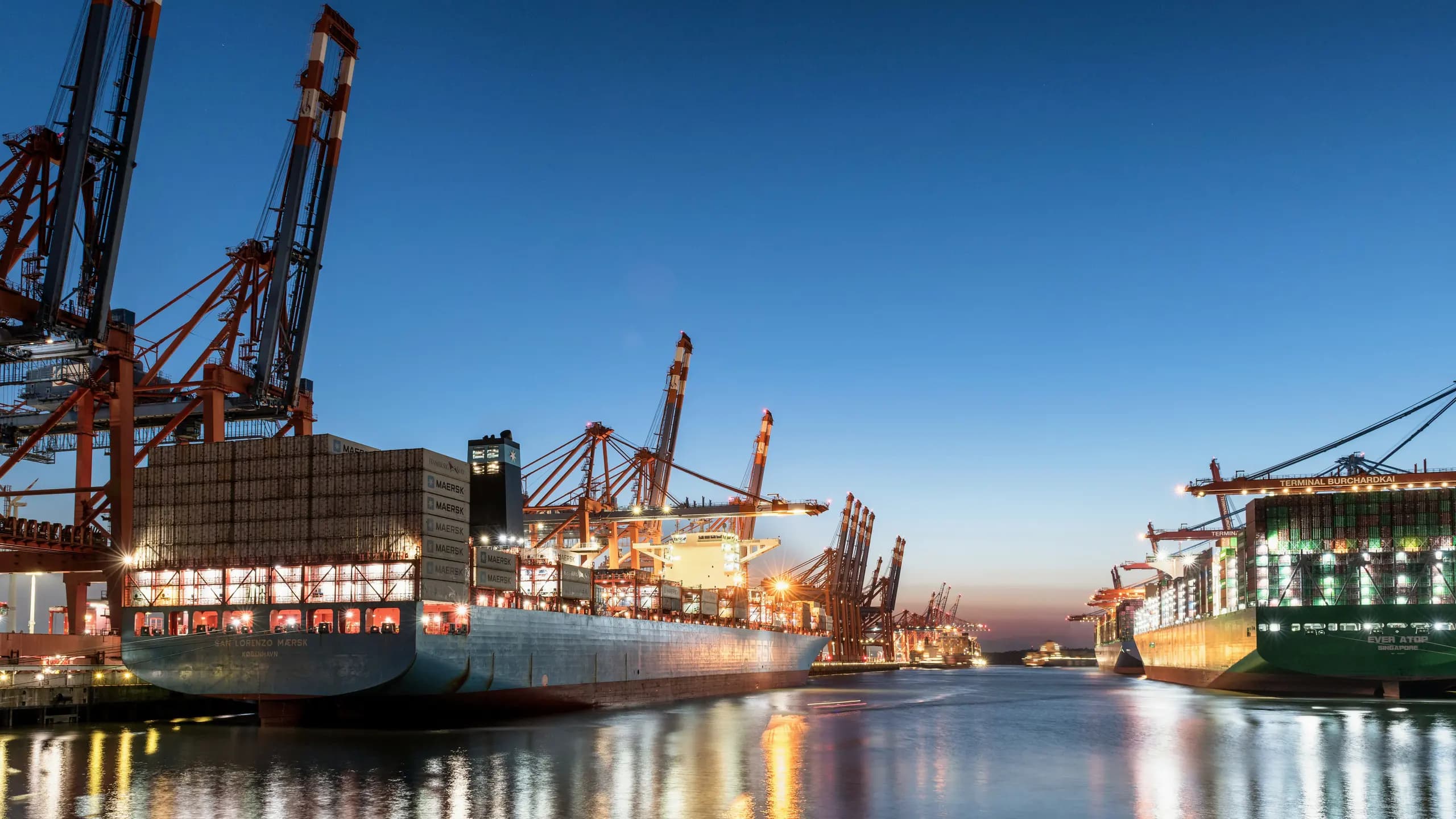
Fund the duty. Repay when it sells.
The cargo is worth several times the duty owed on it. That is what secures the facility — not your factory, not your home, not a fixed deposit. We fund the customs challan and port charges against the consignment itself, and you repay as the goods move.
How the facility is shaped
- What we fund
- Customs duty, terminal and CFS charges, agency and transport
- Tenor
- 7 to 45 days, sized to your sale cycle
- Security
- Pledge over the consignment, held at a container freight station
- Repayment
- On sale, with stock released against each payment received
- Property security
- Not taken as primary security
- Ports
- Mundra and Kandla live. Nhava Sheva and Chennai case by case.
Secured on the cargo, not on you
Most importers expect a lender to ask for property, a fixed deposit or a personal guarantee backed by assets. We ask for the consignment, because the consignment is worth far more than what we advance against it.
The goods stay where they already are
Imported cargo sits with a licensed custodian at the container freight station. We arrange for release to be made against our written consent while the facility is outstanding.
Released as you sell
You do not have to clear the whole consignment before you can move any of it. Your buyer pays, we issue the release note for that quantity, and it gates out.
Insured where it stands
Cover for the stock in situ is arranged before we fund. Marine cover ends at discharge, so this is a separate policy and we help put it in place.
You keep the customs file
The Bill of Entry, the assessment and the out of charge remain in your name throughout. We never become importer of record.
Best fit
Non-perishable commodity imports
Goods that hold value and can be stored at a CFS without deterioration.
A clear onward sale
Either a buyer already agreed, or a commodity with a liquid domestic market.
Consignments where duty is a meaningful share
The larger the duty burden relative to your working capital, the more this earns its keep.
Importers running more shipments than cash allows
If the constraint on your business is how many consignments you can fund at once, this is what it is for.
Less suitable
- Perishable or short-shelf-life cargo
- Highly specialised goods with a single possible buyer
- Consignments where duty is a very small share of cargo value
What it costs
Pricing has two parts: a one-time arrangement fee calculated on assessed cargo value, and interest on the drawn balance for the days it is outstanding. Both are set out in a Key Fact Statement before any agreement is signed, together with the annualised percentage rate. There are no undisclosed charges and no prepayment penalty.
Interest is charged at 0.00% to 0.00% per month on the drawn balance. A one-time arrangement fee of 0.00% to 0.00% of assessed cargo value applies. Annualised percentage rate ranges from 0.00% to 0.00%. A Key Fact Statement setting out all charges is provided before any agreement is signed.
Ready to look at a consignment?
Send the Bill of Entry number and where the cargo is standing. We will come back the same working day.